How to Become a Yacht Dive Instructor
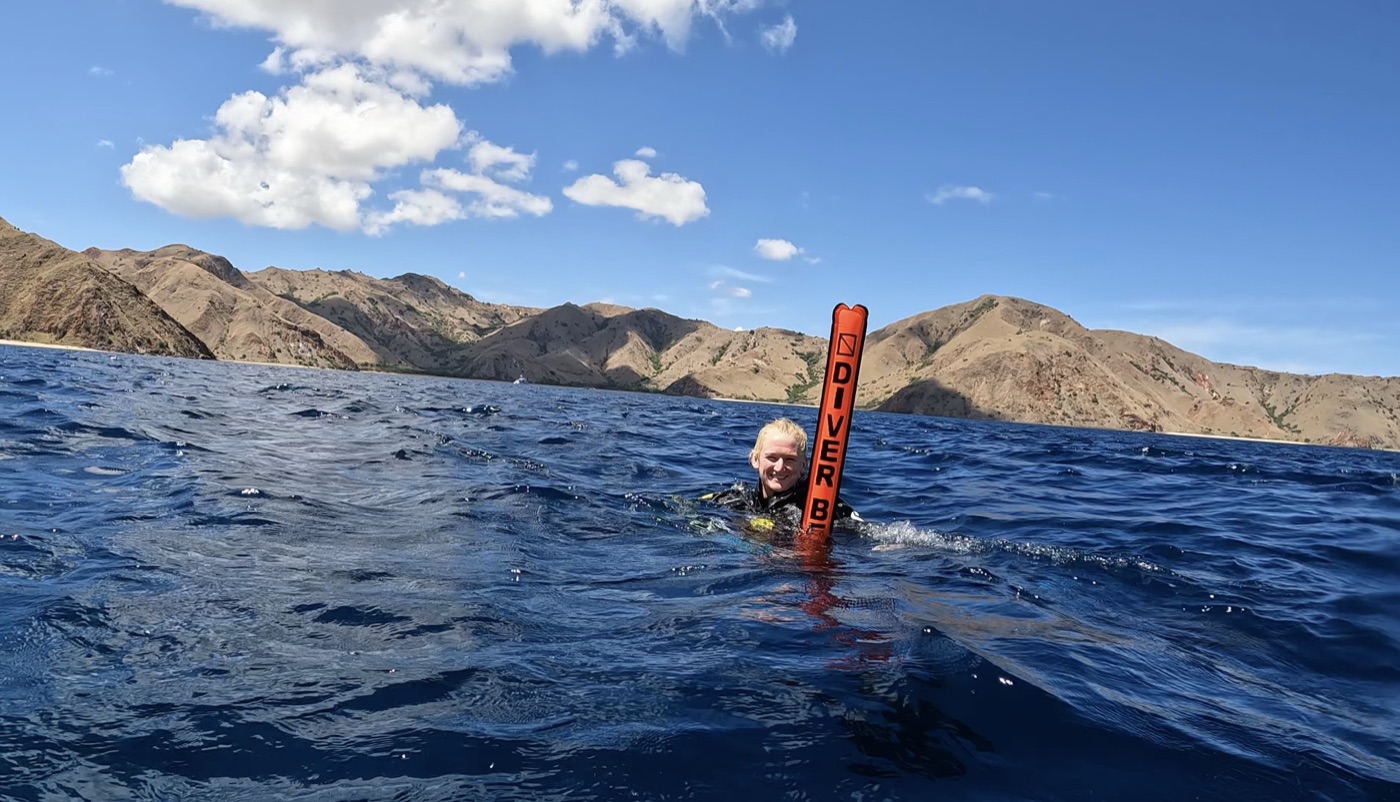
Teaching diving from a superyacht is one of the best jobs at sea. You dive remote reefs most guests will only ever see once, you run your own programme, and you're part of a crew rather than a dive shop. It's also a competitive role, and the path into it isn't always obvious.
What the job actually involves
On most superyachts, "dive instructor" is a combined role. The most common version is deckhand and dive instructor. You work as part of the deck team, then plan and lead dives when the owner or guests want to go in the water. Larger and expedition yachts sometimes carry a dedicated instructor, but even then you'll be expected to help out across the boat.
The diving side usually covers:
- Planning and leading owner, guest and crew dives, often at remote or unmarked sites
- Coordinating with local dive centres, and learning from their knowledge of the sites, conditions and local rules
- Teaching courses and refreshers for guests and crew
- Running the compressor, filling cylinders and looking after the dive equipment
- Dive safety, from briefings to emergency procedures
Some larger yachts carry their own recompression chamber, so learning to operate one can be part of the job too.
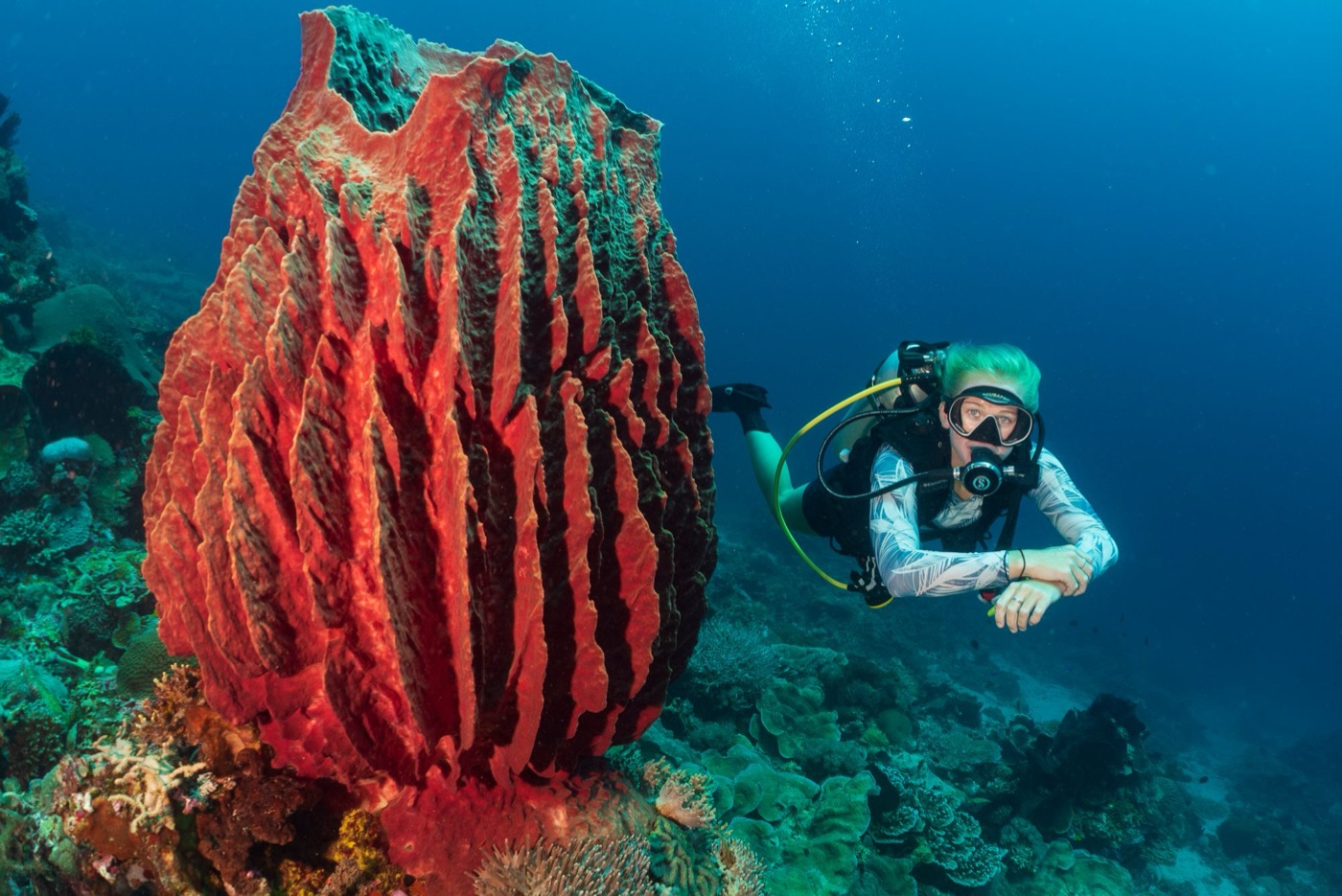
It's also one of the most rewarding roles on board. Diving together builds real relationships with the owner and guests. You get to enjoy the ocean with them and share the exciting moments, from a first manta ray to a turtle gliding past on the reef.
Step 1: Get the yacht basics
Every yacht crew member needs STCW Basic Safety Training and an ENG1 medical (or an accepted equivalent). Without these, a yacht can't hire you, however good your diving is.
Step 2: Work through the dive qualifications
With PADI, the usual route is:
- Open Water Diver
- Advanced Open Water Diver
- Rescue Diver, with Emergency First Response (EFR) first aid training
- Divemaster
- Instructor Development Course (IDC), including the EFR Instructor course, and the Instructor Examination (IE), which make you an Open Water Scuba Instructor (OWSI)
The two professional steps take the most time and money:
| Divemaster | Instructor (IDC + IE) | |
|---|---|---|
| Logged dives | 40 to start, 60 to qualify | 60 to start the IDC, 100 to sit the IE |
| Other requirements | Aged 18+, Rescue Diver, EFR in the last 24 months | Divemaster, certified diver for at least 6 months |
| Time | Allow around 2 months to gain useful experience | An intensive course of about 2 weeks, with the exam over 2 days |
| Rough cost (2026) | Around £1,500–£2,500 in Southeast Asia, more in Europe | Around £2,500–£4,500, including PADI fees |
Costs vary a lot by location and by what's included, such as PADI fees, materials, equipment and accommodation. Check exactly what you're paying for, and check PADI's current prerequisites before you book.
Other recognised agencies have equivalent routes, but PADI is the name owners, captains and other non-divers are most likely to recognise, so it's a good one to have on your CV.
Step 3: Add what yachts really value
An OWSI rating gets you considered. These are what make you stand out:
- Specialty instructor ratings, especially Deep, Nitrox and Wreck
- Master Scuba Diver Trainer (MSDT), which shows teaching volume and breadth
- Equipment maintenance and compressor courses, so you can service the kit and run fills safely on board
- Tender driving, such as RYA Powerboat Level 2. A separate tender and driver usually stand by during dives, but it's still a valuable skill
- Extra skills: deck work, maintenance and carpentry, watersports or interior service
Step 4: Get real teaching experience
Captains want an instructor who has taught and guided plenty of divers, not one who qualified last month. A season or two in a busy dive centre builds the volume, the range of conditions and the confidence with nervous divers that yachts are looking for. Keep track of your dive numbers and the places you've dived, because you'll be asked about both, and a wide variety of locations really stands out.
Step 5: Make your CV show it
Put your dive qualifications near the top, with:
- Your instructor level and number
- Current teaching status and dive insurance
- Your total number of dives
- The places you've dived and taught
- Any compressor, Nitrox or equipment experience
Our free dive instructor CV template is laid out so captains see all of this first. You'll find it with our other free tools on Crew Resources.
Step 6: Find the right yacht
Dive roles come up most on explorer, expedition and dive-led private yachts. Daywork and dockwalking still work, but these roles are often filled through recommendations and agencies, because captains want someone they can trust in the water with the owner. Register with an MCA certified agency that understands the dive side and can explain your experience properly to a captain.
How Lucienne did it
Lucienne started diving in 2018, on a trip through Southeast Asia. She later qualified as a divemaster and then an instructor in Koh Tao, Thailand, in early 2022, after picking up her first daywork in the South of France. In April that year she joined her first superyacht as deckhand and dive instructor.
Over the next two and a half years she:
- Ran the dive programme as the sole instructor on board
- Designed and equipped the dive store on a new build
- Trained the crew, including the captain's Divemaster
- Stepped up to Relief Bosun
Frequently asked questions
Do I need yacht experience before applying for a dive instructor role?
It helps, but strong dive experience plus a willingness to work hard on deck can get you in. Many yacht dive instructors started as deckhands.
Is PADI the only option?
No, but PADI is the agency non-divers recognise most widely, which helps when owners and captains read your CV. If you hold another agency's rating, make your equivalent level clear.
Does it cost anything to register with Surge Crew?
No. We never charge crew a fee.
Looking for a yacht dive role?
Register once and we'll be in touch when the right dive or expedition role comes up. We interview every candidate personally, and we never charge crew a fee.